Email is a fundamental communication tool for businesses and individuals alike. But it's also a prime target for cybercriminals. With cyberattacks increasing in sophistication, enhancing your email security has never been more critical—especially for residents and businesses in Bucks County, PA.
At Dwyer IT, your trusted Managed Service Provider (MSP) in Bucks County, we understand the local challenges you face. Did you know that 95% of IT leaders say cyberattacks have become more sophisticated? Over half (51%) have already seen AI-powered attacks in their organizations. By taking proactive measures, you can protect your sensitive information, prevent unauthorized access, and maintain communication integrity.
Here are six simple steps from Dwyer IT to enhance your email security.
1. Use Strong, Unique Passwords
Passwords are the first line of defense for your email accounts. A weak password is like an open invitation for cybercriminals. To enhance your email security:
Create Complex Passwords
A strong password should include a mix of:
- Letters (both uppercase and lowercase)
- Numbers
- Special characters
Avoid using common words or easily guessable information like your name or birthdate. A complex password makes it harder for attackers to gain access to your email account.
Use a Password Manager
Remembering several complex passwords can be challenging. A password manager can help you generate and store unique passwords for all accounts. With a password manager, you only need to remember one master password, simplifying the process while enhancing security.
Avoid Reusing Passwords
Using the same password across multiple accounts increases your risk. If one account gets compromised, all accounts using the same password are vulnerable. Ensure each of your email accounts has a unique password to prevent a single breach from spreading.
2. Enable Two-Factor Authentication (2FA)
Two-factor authentication (2FA) adds an extra layer of security to your email accounts. Even if someone gets hold of your password, they won't be able to access your account without the second factor of authentication.
Choose a 2FA Method
Common 2FA methods include:
- SMS codes sent to your phone
- Authenticator apps generating time-sensitive codes
- Hardware tokens providing physical devices that generate a code
Choose the method that best suits your needs and enable 2FA for all your email accounts. Most email providers offer this feature, and setting it up usually takes just a few minutes.
3. Be Cautious with Email Attachments and Links
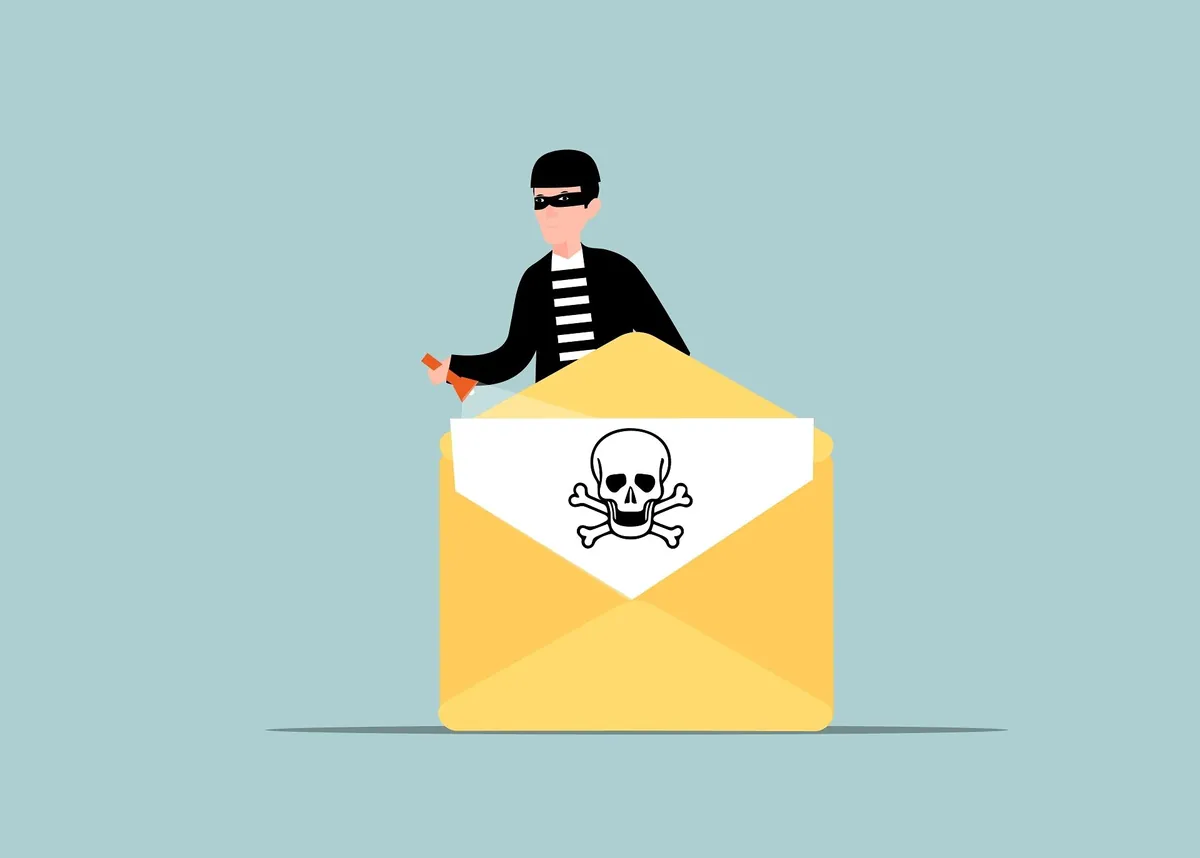
Email attachments and links are common vectors for malware and phishing attacks. Clicking on a malicious link or attachment can give attackers access to your system. Exercise caution to protect your email security.
Verify the Sender
Before opening an attachment or clicking on a link, verify the sender's identity. If you receive an unexpected email from someone you know, contact them through a different channel to confirm they sent it. For emails from unknown senders, exercise extra caution and consider not engaging with the content.
Scan Attachments
Use antivirus software to scan email attachments before opening them. This helps detect and block any malicious content before it can harm your system. Many email providers also offer built-in scanning features, but having your own antivirus software adds an extra layer of protection.
Avoid Clicking on Suspicious Links
Be wary of links that seem out of place or too good to be true. Hover over the link to see the URL before clicking. If the URL looks suspicious or unfamiliar, don't click on it. Instead, navigate to the site directly through your browser.
4. Keep Your Email Software Updated
Software updates often include security patches that address vulnerabilities in your email client. Keeping your email software updated ensures you have the latest protections against known threats.
Enable Automatic Updates
Most email clients and operating systems offer automatic updates. Enable this feature to ensure your software stays up to date without requiring manual intervention. Automatic updates reduce the risk of missing critical security patches.
Regularly Check for Updates
Even with automatic updates enabled, it's good to manually check for updates periodically. This ensures you don't miss any important security patches and helps keep your email client running smoothly and securely.
5. Use Encryption for Sensitive Emails
Encryption adds a layer of protection to your emails by encoding the content, making it readable only by the intended recipient. This ensures that even intercepted email information remains secure.
Encrypt Emails Containing Sensitive Information
If you need to send sensitive information via email, use encryption. Many email providers offer built-in encryption options. For added security, consider using third-party encryption tools that offer end-to-end encryption.
Educate Recipients
If you're sending encrypted emails, make sure the recipients know how to decrypt them. Provide clear instructions about how to access the encrypted content securely.
6. Monitor Your Email Activity
Regularly monitoring your email activity can help you detect suspicious behavior early. By keeping an eye on your account, you can take swift action if something seems off.
Set Up Activity Alerts
Many email providers offer activity alerts that notify you of unusual login attempts or changes to your account settings. Enable these alerts to stay informed about your account's security status.
Regularly Review Account Activity
Review your email account activity regularly, including login history and devices connected to your account. If you notice any unfamiliar activity, change your password immediately and investigate further.
Respond Quickly to Suspicious Activity
If you detect any suspicious activity in your email account, respond quickly. Change your passwords, review your security settings, and consider enabling extra security measures.
Protect Your Email with Dwyer IT in Bucks County, PA
Email security is essential for protecting your personal and professional information. Dwyer IT offers expert solutions that can effectively reduce the potential for email compromise and phishing risks.
Why Choose Dwyer IT?
- Local Expertise: As a Bucks County-based MSP, we understand the unique challenges faced by local businesses and residents.
- Customized Solutions: We tailor our email security solutions to meet your specific needs.
- Proactive Support: Our team monitors and updates your security measures to protect against the latest threats.
Contact us today to schedule a chat about enhancing your email security. Let's work together to safeguard your communications and data.